
Aging Diagnostics
Measure Earlier. Understand More Clearly.
A doctor-led approach to biological insight
Aging Diagnostics looks deeper into how the body is functioning beneath the surface through structured testing, biomarker review, and doctor-led interpretation. The goal is to identify patterns earlier, understand what may be changing, and support more informed preventive decisions.
Doctor-led biomarker review
Structured testing, not generic panels
Prevention-focused interpretation
Understanding the Approach
What Aging Diagnostics Actually Is
Aging Diagnostics is the process of looking more carefully at how the body is functioning over time. Instead of waiting for a clear disease label, it focuses on earlier patterns that may suggest stress, imbalance, declining resilience, or shifts in how key systems are coping.
This may include metabolic changes, inflammatory burden, hormonal transition, nutrient depletion, cardiovascular risk, and other markers that together build a clearer picture of internal ageing. The value is not in collecting more numbers. The value is in understanding what those numbers may mean for the individual patient.
At Da Vinci Healife, assessment is doctor-led, findings are interpreted in clinical context, and next steps are shaped by what is relevant for the individual, not by a fixed panel applied to everyone.

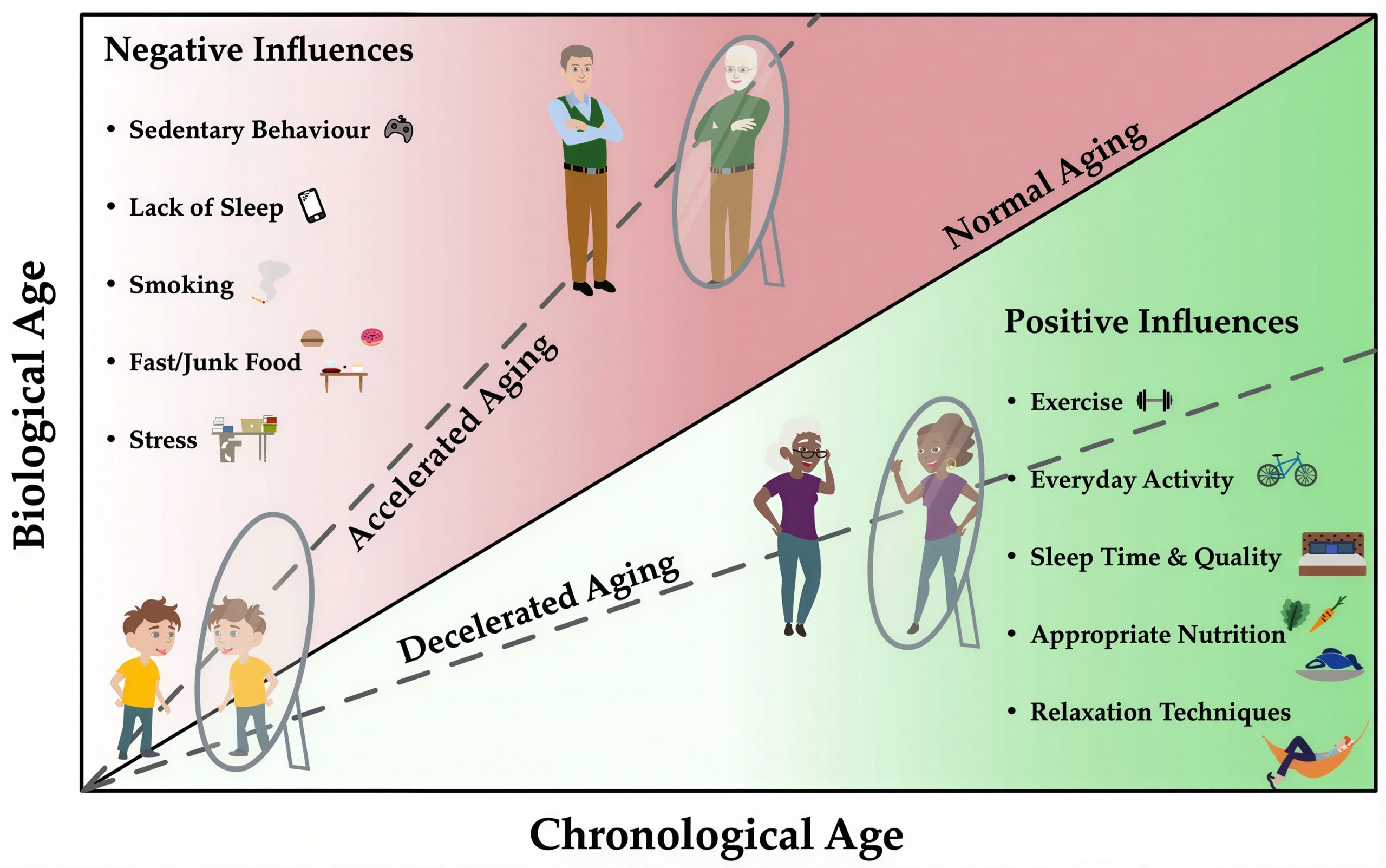
"Chronological age tells you how many years you have lived. Biological insight helps explain how your body may actually be coping with those years."The standard patients should expect from a doctor-led aging diagnostics service
Clarity Matters
What Aging Diagnostics Is, and What It Is Not
What it is
A structured, doctor-led assessment that reviews relevant biomarkers, health patterns, and internal function to support earlier understanding of how the body may be ageing beneath the surface.
What it is not
It is not a replacement for broader medical care, nor is it a promise that every concern can be solved by testing. The value comes from meaningful interpretation and appropriate next steps.
Why patients consider it
Because they may feel different from before, have family history concerns, want to understand risk earlier, or prefer a more proactive approach before symptoms become obvious.
Why clinical review matters
Test results only become useful when they are interpreted in context. Age, symptoms, medical history, goals, lifestyle, and risk factors all affect what the findings actually mean.
What May Be Assessed
Six Areas of Biological Insight
Relevant testing is selected based on the individual. Not every panel applies to every patient, and the aim is to assess what is clinically useful.
01
Metabolic Health
Markers related to glucose control, lipid balance, insulin response, and broader metabolic function over time.
02
Inflammation
Signals that may suggest low-grade chronic inflammation, stress burden, or recovery strain accumulating over time.
03
Hormonal Status
Useful for identifying transition, imbalance, or patterns that standard normal ranges may not explain clearly.
04
Nutrient Profile
Assessment of vitamins, minerals, and related markers that may influence energy, resilience, mood, and repair.
05
Cardiovascular Risk
Markers that help frame heart-health risk earlier, especially in those with family history or lifestyle concerns.
06
Internal Ageing Pattern
A structured view of internal function that may guide what needs support now, rather than later.

Who May Consider It
People Who Would Rather Know Earlier
Aging Diagnostics is not reserved for those already unwell. It is most valuable for people who want clarity before problems become harder to manage.
It may be relevant for professionals aged 35 and above, those with unexplained fatigue, preventive thinkers, and patients with family history concerns around metabolic, hormonal, cardiovascular, or age-related decline.
Professionals 35+
Wanting a clearer picture of internal health before bigger issues become harder to manage.
Unexplained Fatigue
When standard checks look normal, but the person still feels consistently off.
Preventive Thinkers
Those who would rather assess risk early than wait until intervention becomes more complex.
Family History
Useful when there is concern about metabolic, hormonal, cardiovascular, or age-related decline.
How the Process May Work
Four Structured Steps
Consultation
Discuss symptoms, energy, goals, history, and what is driving the assessment request in the first place.
Testing Strategy
Select relevant diagnostics rather than ordering tests that do not meaningfully guide care or decisions.
Interpretation
Translate findings into something understandable, clinically useful, and relevant to the individual patient.
Plan
Next steps are shaped by what is actually relevant, from nutrition and hormonal support to broader preventive planning.
Clinical Perspective
More Testing Is Not Always the Answer
The priority is relevant testing, careful interpretation, and a clear purpose behind what is being assessed. A well-selected panel reviewed in clinical context is more useful than a large set of numbers without guidance on what to do next.
Some patients leave with a clear intervention plan. Others leave understanding that their internal picture is better than they expected, and with guidance on how to keep it that way. Both outcomes are genuinely useful.
The right service is not more testing. The right service is better interpretation.
Common Questions
Questions Patients Commonly Ask
No. Many people start asking these questions in their 30s or 40s, especially when energy, recovery, or resilience no longer feels the same. Earlier assessment means more options and better decisions before patterns become more entrenched.
No. Aging Diagnostics should be seen as a deeper, more structured layer of review, not a replacement for broader medical care. It complements what a GP or specialist provides and works best when integrated into an overall preventive approach.
Because many changes begin gradually, well before they become difficult to ignore. Earlier visibility creates more options and better decisions before problems become more established. Waiting often means intervening at a point where the work required is considerably greater.
Not necessarily. The priority should be relevant testing, careful interpretation, and a clear purpose behind what is being assessed. Testing strategy is selected based on each individual's situation, goals, and medical history, not applied as a fixed panel to everyone.
The approach is doctor-led and context-based. We focus on relevant assessment, meaningful interpretation, and practical next steps based on the patient's health profile, goals, and risk factors rather than offering a generic testing package.
Start Here
Begin with Clarity, Not Assumption
Aging Diagnostics works best as a doctor-led entry point into prevention, longevity, and more personalised health planning. The right first step is a consultation, not a fixed panel ordered without context.
Medical disclaimer: Results and findings vary between individuals. Aging Diagnostics at Da Vinci Healife is designed to support earlier understanding of internal health patterns. It does not constitute diagnosis, nor is it a replacement for broader medical care. Consultation and assessment are required before any recommendation is made. The information on this page is educational in nature and does not constitute medical advice.