
Regenerative Therapy | Da Vinci Healife
PRP, Exosomes & Mesenchymal Stem Cells
Three therapies. One careful conversation first.
Regenerative therapies are among the most enquired-about options in preventive medicine, and among the most frequently misrepresented. Da Vinci Healife explains PRP, exosomes, and mesenchymal stem cells with clinical honesty: what each is, what it is not, and whether it belongs in your plan.
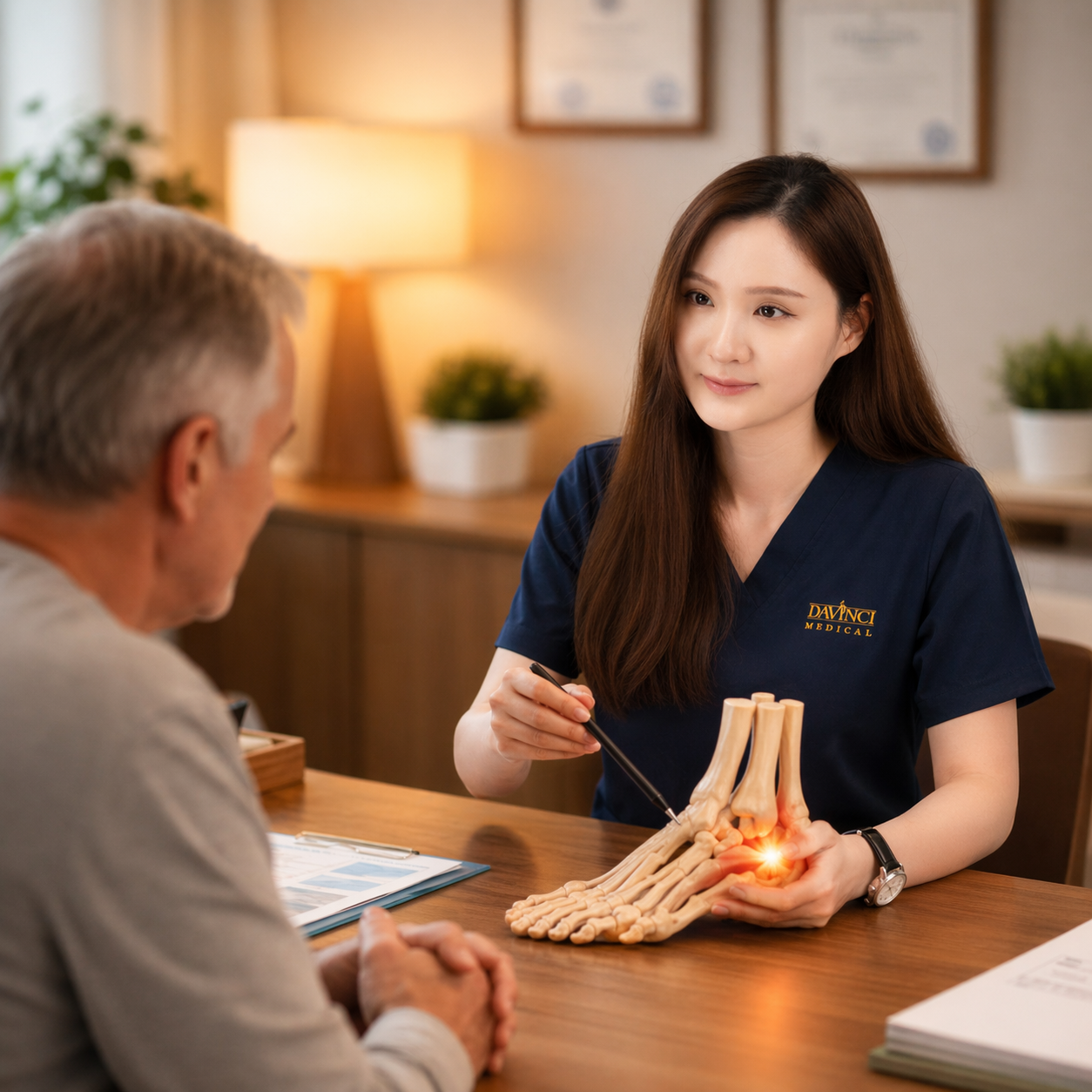
Consultation and assessment before any recommendation
Evidence-conscious, honest about limitations
Doctor-led. Not trend-driven.
Understanding the Approach
Regenerative Medicine, Explained More Carefully
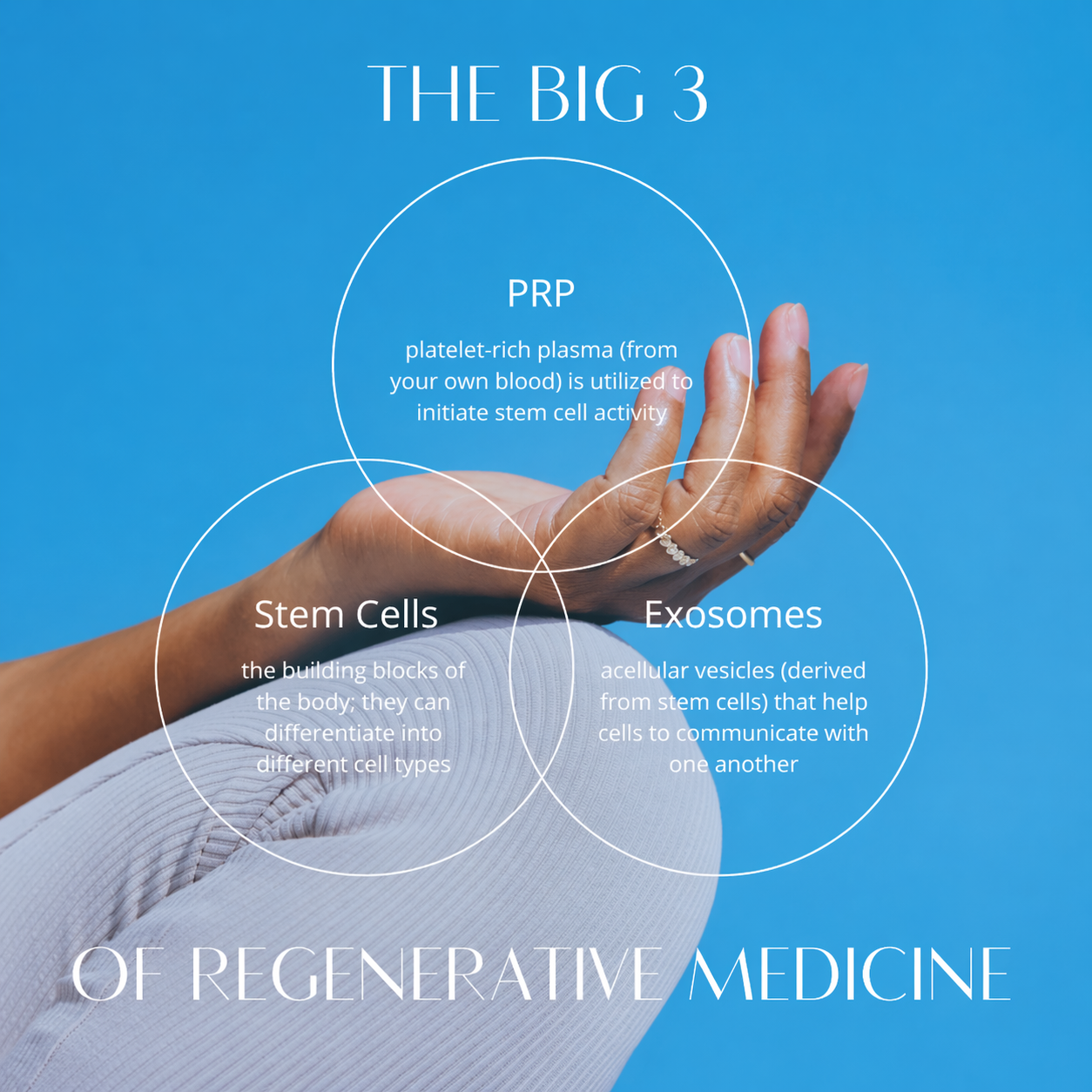
PRP, exosomes, and mesenchymal stem cells are often discussed as though they are interchangeable or equally established. They are not. Each has a different source, a different mechanism, a different evidence base, and a different level of clinical complexity.
At Da Vinci Healife, these therapies are introduced with appropriate caution. The question is not whether a therapy sounds advanced, it is whether it is relevant to your situation, what it is intended to support, and what you need to understand before making any decision.
Proper assessment comes before any recommendation. Interest alone is not sufficient.

"Regenerative medicine may support healing and recovery, but it should never be positioned as a guaranteed outcome, or offered without thorough medical review.The standard patients should expect from a doctor-led regenerative service
Clarity Matters
What Regenerative Therapy Is, and What It Is Not
What it is
A group of medical approaches that aim to support the body's healing, repair, and recovery processes, using biological material from the patient's own body, under careful clinical supervision and with proper suitability assessment first.
What it is not
A replacement for diagnosis, primary medical care, or lifestyle fundamentals. Not universally appropriate. Not something that should be offered or chosen without a thorough clinical assessment of individual suitability.
Why patients explore it
Persistent joint discomfort, incomplete recovery, hair thinning, skin repair goals, or interest in more advanced biological approaches to healing, often after conventional options have not fully met expectations.
Why assessment always comes first
The right therapy, if any, depends on your symptoms, goals, and medical history. Not every patient is a candidate. Assessment is not a formality; it is the essential starting point for any responsible recommendation.
The Three Therapies
PRP, Exosomes & Mesenchymal Stem Cells
Each therapy operates differently. Understanding those differences in source, evidence level, and clinical complexity is essential before any decision is made.

01
Autologous PRP
Platelet-Rich Plasma
Prepared from the patient's own blood, concentrated so that healing-associated platelets and growth factors are more abundant. The most established of the three, with the longest clinical track record.
Commonly explored for joint and tendon support, hair restoration, and selected skin-related indications.

02
Exosomes
Extracellular Vesicles
Nanoscale particles released by cells, thought to carry signalling molecules involved in cell communication and repair. The science is genuinely interesting, but exosome therapy remains clinically earlier-stage.
Product consistency, regulatory status, and indication suitability all require especially careful review before this is considered.

03
Mesenchymal Stem Cells
MSC-Based Therapy
Adult stem cells from the patient's own tissue, typically bone marrow or adipose sources, with potential to support tissue repair and modulate inflammatory responses in selected contexts.
The most complex of the three to deliver responsibly. Source, preparation, viability, and regulatory pathway all matter significantly.
Autologous PRP
The Most Established of the Three
PRP is prepared from a blood draw taken from the same patient. The sample is processed to concentrate platelets and the healing-associated growth factors they carry. Because the source material is autologous throughout, the preparation is straightforward and the risk profile is well understood.
PRP carries the longest clinical track record among these three therapies, across joint and tendon support, selected hair restoration applications, and skin-related indications. That familiarity does not make it suitable for everyone. Results vary meaningfully by indication, protocol, and individual response.
At Da Vinci Healife, PRP is not offered as a universal first line. It is discussed when it genuinely fits the clinical picture, after proper assessment.
Exosomes
Scientifically Interesting, Clinically Emerging
Exosomes are nanoscale vesicles released by cells, thought to carry signalling molecules involved in intercellular communication and repair. Research into their potential role in tissue regeneration is active and meaningful, but the field remains in a significantly earlier stage of clinical development compared to PRP.
For patients who have heard about exosome therapy and are curious, Da Vinci Healife offers a grounded explanation: the science is real, but product consistency, regulatory status, and clinical evidence for specific indications all require careful scrutiny. That caution is not dismissal, it is appropriate diligence.
Exosome-related therapies are discussed where there is genuine clinical rationale, after thorough suitability review, never as a default or trend-driven recommendation.
Mesenchymal Stem Cells (MSCs)
The Most Complex to Frame and to Deliver Correctly
Mesenchymal stem cells are adult stem cells found in bone marrow, adipose tissue, and other connective tissue sources. MSC-based approaches attract significant interest for their potential to support tissue repair, modulate inflammatory responses, and contribute to healing in selected clinical contexts.
MSC therapies are the most complex to deliver, regulate, and explain responsibly. Source, preparation method, viability, intended use, and the regulatory framework all matter considerably. Research results have been variable, which is why MSC therapy demands especially careful expectation management and rigorous patient selection.
Da Vinci Healife does not position MSC therapy as broadly accessible. Where it may be relevant, it is explained with full clinical discipline around suitability, compliance, and realistic expectations.
At a Glance
Comparing the Three Therapies
| Topic | Autologous PRP | Exosomes | Mesenchymal Stem Cells |
|---|---|---|---|
| What it is | Concentrated platelets and growth factors from the patient's own blood. | Nanoscale cell-derived vesicles carrying signalling molecules involved in repair and cell communication. | Adult stem cells from the patient's own tissue, typically bone marrow or adipose, with repair and regenerative potential. |
| Source | Patient's own blood. Autologous throughout. | Autologous cell sources, depending on protocol and regulatory context. | Patient's own tissue. Source selection, preparation, and viability are all clinically significant. |
| Evidence level | Most established. Longer track record across multiple indications, though results remain protocol and context dependent. | Active area of research. Clinically earlier-stage, with meaningful potential but greater need for scientific and regulatory caution. | Legitimate scientific basis in selected contexts. Requires the strongest level of rigour around patient selection, preparation, and outcome framing. |
| Common enquiries | Joint and tendon support, hair restoration, selected skin and recovery applications. | Advanced tissue support, recovery, patients seeking emerging options with a clear scientific rationale. | Healing support, tissue repair, longer-term regenerative goals, and advanced biological recovery approaches. |
| How we approach it | Recommended when clearly indicated. Not a default first line. | Discussed where genuine clinical rationale exists. Not offered casually. | Explained with full discipline around suitability, compliance, and realistic expectations. |
Clinical Considerations
When Regenerative Therapy May Be Relevant
Every recommendation begins with proper clinical assessment. These are some of the situations where a structured regenerative approach may be worth exploring.
01
Joint, Tendon & Musculoskeletal Support
For patients managing persistent joint discomfort, tendon concerns, or incomplete recovery from injury who want a structured medical review of regenerative options, particularly PRP, as part of their broader plan.
02
Hair Loss & Scalp-Related Concerns
PRP is one of the more commonly discussed regenerative options for hair restoration. Suitability depends on the type, stage, and cause of hair loss, which is why clinical assessment remains the essential first step.
03
Skin Quality, Repair & Healing Goals
For patients exploring whether regenerative approaches may support healing-related processes, tissue repair, or broader skin recovery goals. Assessment determines whether PRP or another approach belongs in the plan.
04
Advanced Regenerative & Longevity Goals
Patients familiar with exosome or MSC therapy from other sources, or seeking advanced biological approaches to recovery, who want a careful, medically grounded review before deciding what, if anything, is appropriate.
Medical Responsibility
Who Should Pause Before Proceeding
Not every patient is a suitable candidate for regenerative therapy. Some may need further investigation first. Others may have medical considerations, medication interactions, or unclear symptoms that need to be properly understood before anything is recommended.
Patients researching online often encounter a wide range of claims, some reasonable, many overstated. At Da Vinci Healife, the priority is to slow the process down: review history carefully, explain options clearly, and help patients understand what may be reasonable for their specific situation.
Some patients will leave with a treatment plan. Others will leave understanding why a regenerative approach is not the right fit for now. Both outcomes serve the patient better than a fast, poorly considered recommendation.
The Patient Journey
How the Process Works
1
Consultation
A doctor-led discussion covering your concerns, goals, symptoms, and medical history, including why regenerative care is being considered in the first place.
2
Suitability Assessment
A review of whether PRP, exosomes, or MSC therapy is actually appropriate, not assumed to be. Further diagnostics may be needed before any decision is made.
3
Treatment Planning
Where suitable, the most appropriate approach is discussed, including the therapy's expected role, preparation method, and realistic outcomes for your situation.
4
Procedure & Follow-Up
Any procedure is paired with proper aftercare, structured follow-up, and ongoing medical review, not treated as a standalone event without broader clinical context.
Common Questions
Questions Patients Commonly Ask
No responsible medical service should suggest that. Outcomes across all three therapies vary depending on the individual patient, the indication, the protocol, and the quality of clinical oversight. At Da Vinci Healife, realistic expectations are set before any recommendation is made.
No. Suitability requires proper review. The fact that a therapy sounds advanced or has worked for someone else does not make it the right choice for every individual. Medical history, health status, goals, and specific indication all play a role in determining whether any regenerative approach belongs in a treatment plan.
There is no single answer, because the right choice depends entirely on the patient's individual situation. PRP is the most established and is often the appropriate starting point for many indications. Exosome and MSC-based therapies may be relevant in specific, carefully selected contexts. A proper consultation is the only reliable way to determine what, if anything, belongs in your plan.
Expectations should remain realistic and individual. Response timelines vary depending on the therapy, the indication, and the patient. The goal is appropriate support integrated into a clinical plan that makes sense, not rapid transformation. Any service promising fast or dramatic results without nuance should be approached with caution.
A responsible medical service would advise strongly against self-selection. Protocols should be chosen based on clinical assessment, not patient preference alone. At Da Vinci Healife, the consultation and assessment come first; the recommendation follows from them.
Da Vinci Healife operates in Kuala Lumpur and offers doctor-led consultation on regenerative therapies including PRP, exosome-related approaches, and MSC-based options where clinically appropriate. The right starting point is always a consultation, not a treatment booking. Reach us at enquiry@davinciclinic.com.my.
Medical disclaimer: Results vary between individuals. Not every patient is suitable for regenerative treatment, and not every option is appropriate for every indication. Consultation and medical assessment are required before any recommendation is made. The information on this page is educational in nature and does not constitute medical advice. Patients should consult a qualified physician before making treatment decisions.
Start Here
Begin with a Proper Consultation
For patients considering PRP, exosome, or mesenchymal stem cell therapy, the right first step is not a treatment booking. It is a careful review of your situation, your goals, and whether any regenerative approach genuinely belongs in your plan.